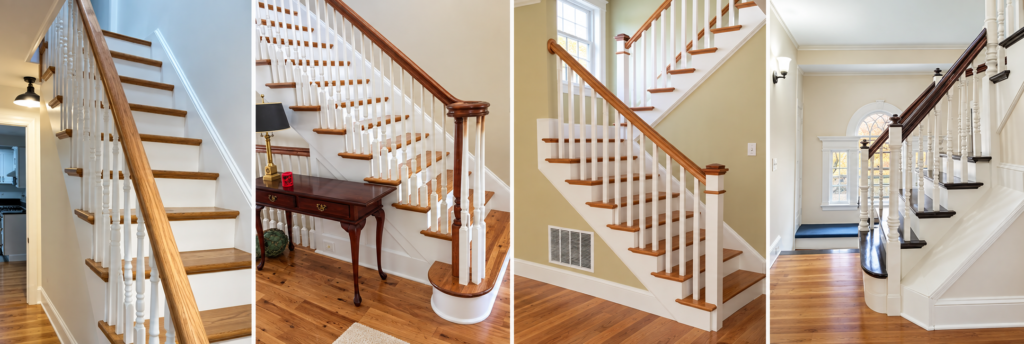
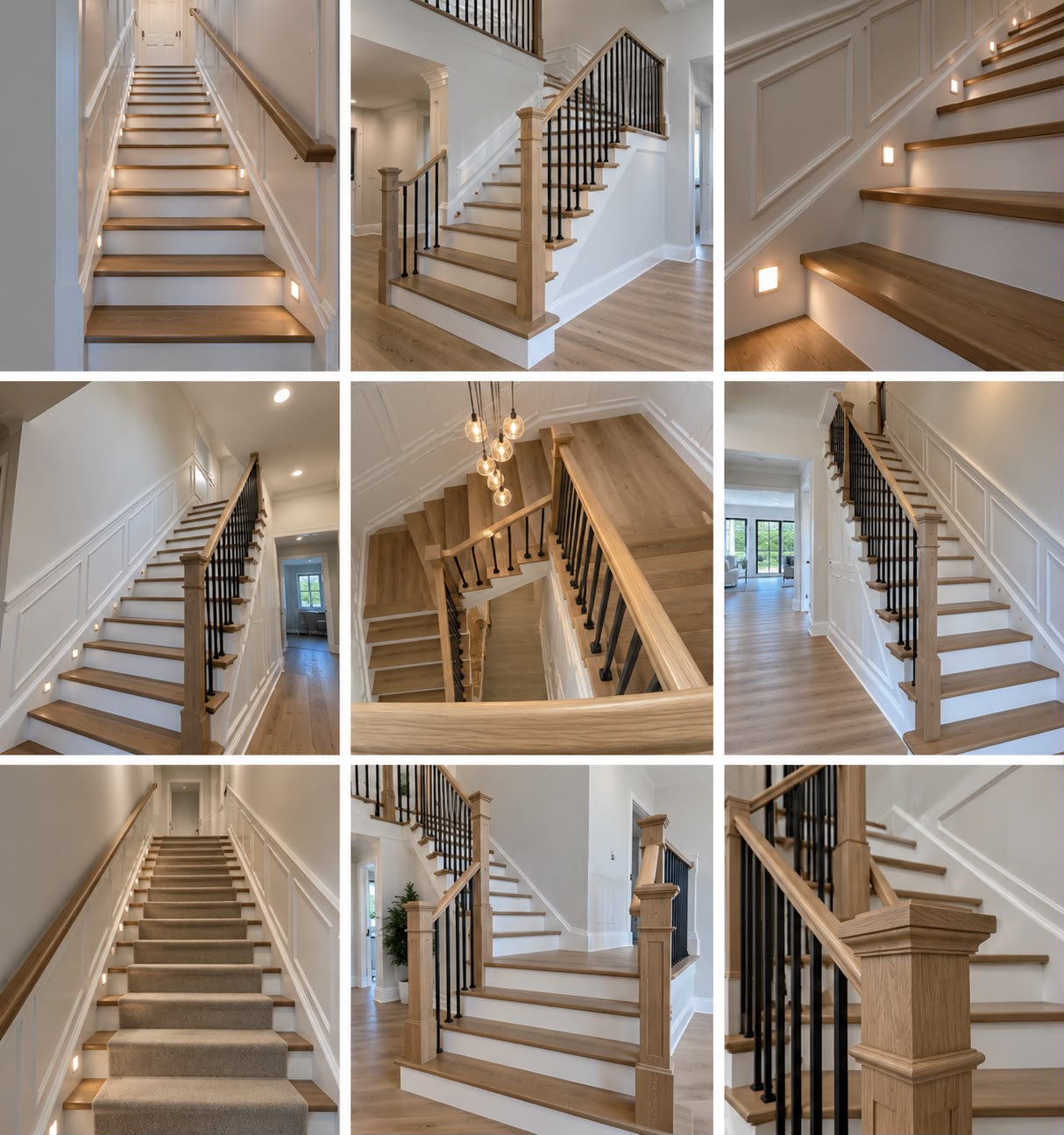
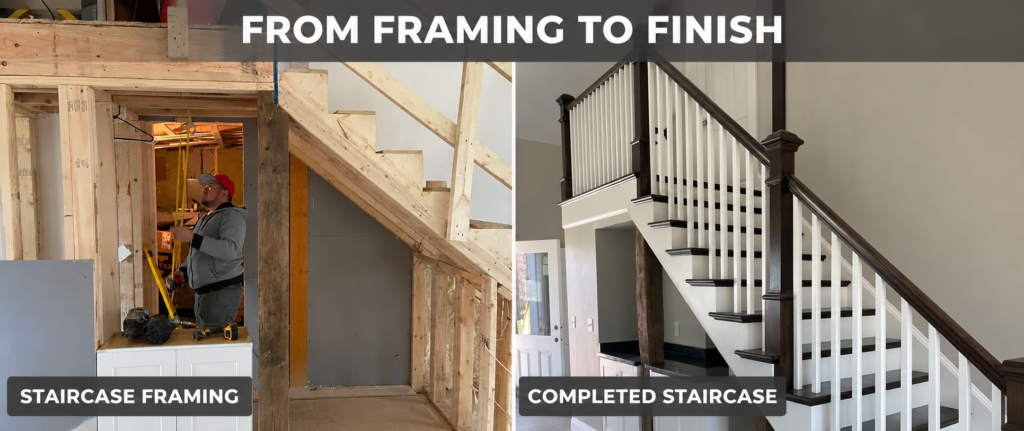
Alvesco Construction builds complete staircases for home additions, new construction and major remodeling projects. A staircase includes many structural and decorative components, and every selection affects its appearance, function and final cost.
This guide helps homeowners understand the different staircase parts, compare available styles and choose the treads, risers, handrails, newel posts, balusters and finishes that best complement their home.
Browse the options below and save the styles you prefer. Final selections, dimensions and availability will be confirmed before materials are ordered.
Understanding the Parts of a Staircase
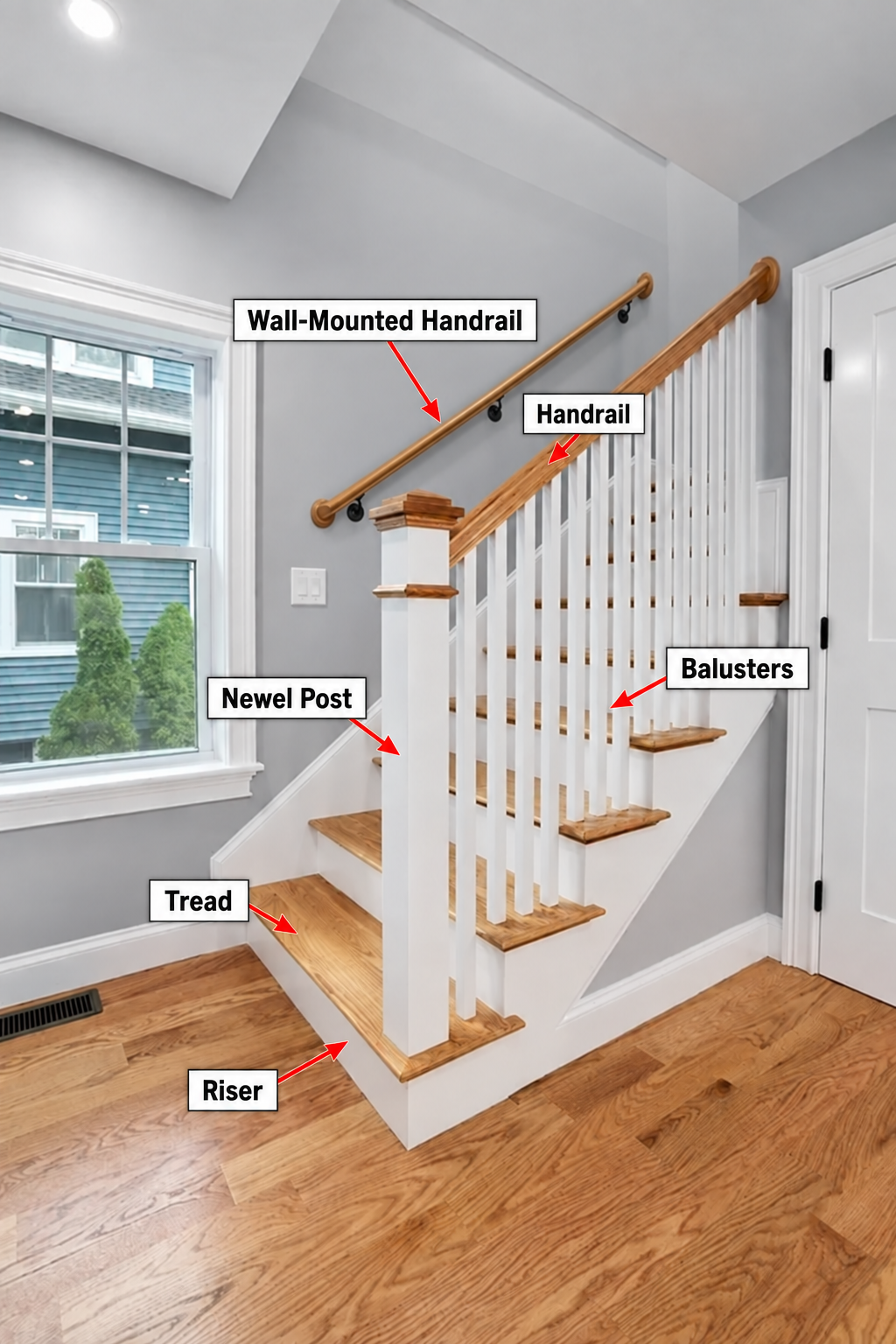
Before selecting styles and finishes, it helps to understand how the different staircase components work together. Some parts form the staircase structure, while others provide safety, comfort and decorative character. Use the guide below to identify each component and compare the available options for your project.
1. Stair Treads and Risers
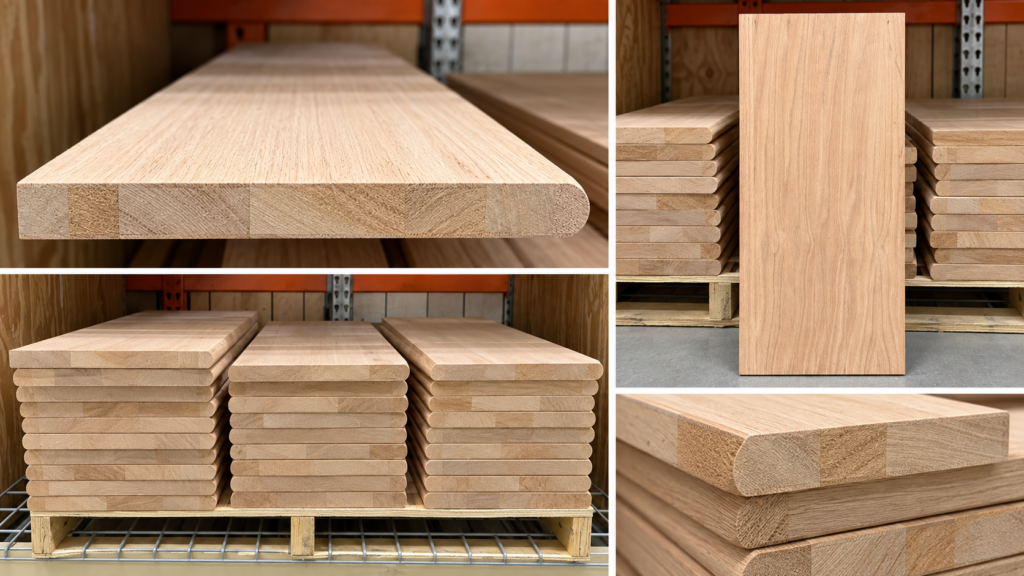
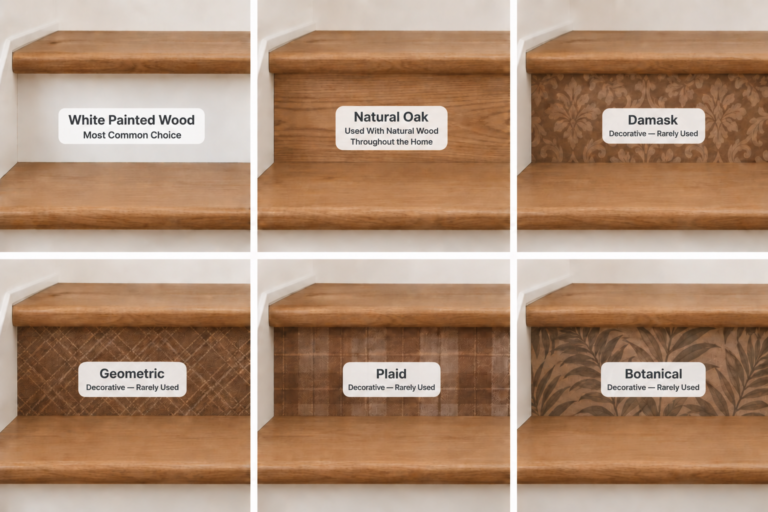
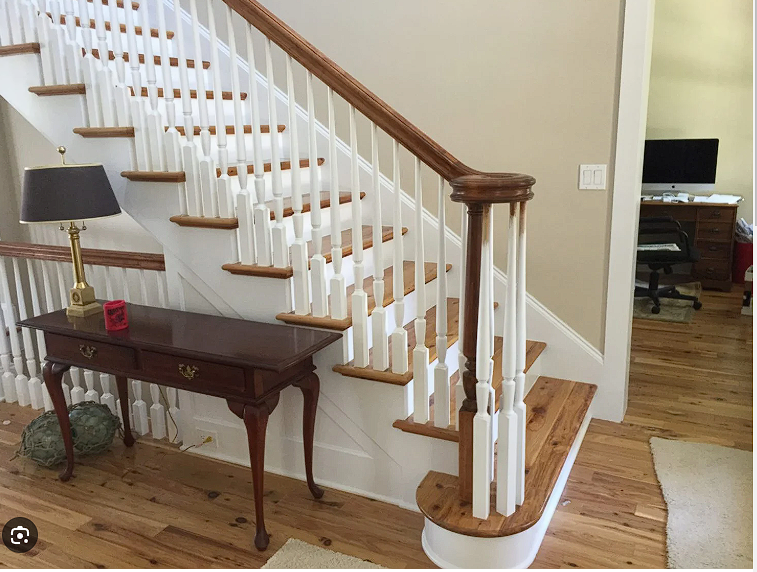
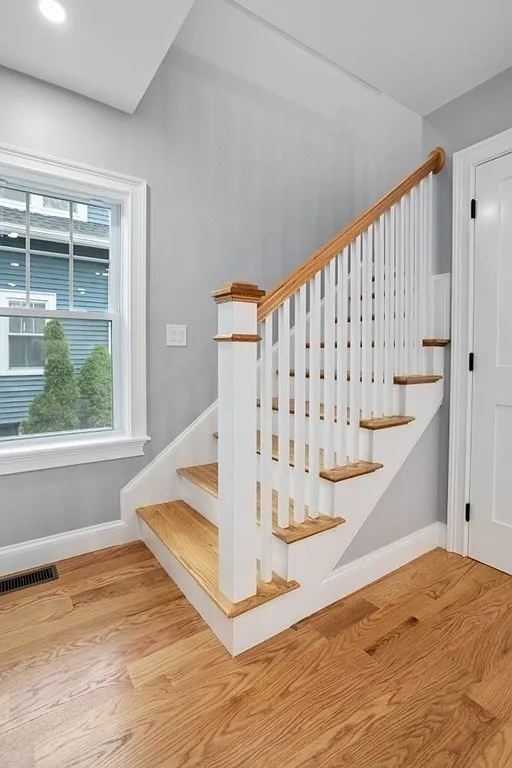
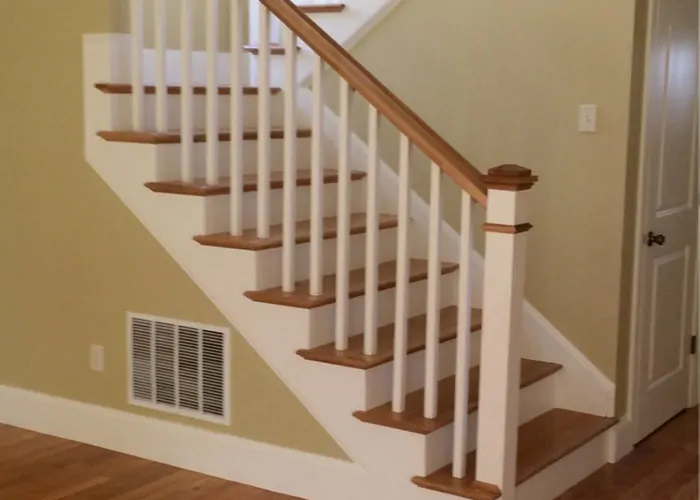
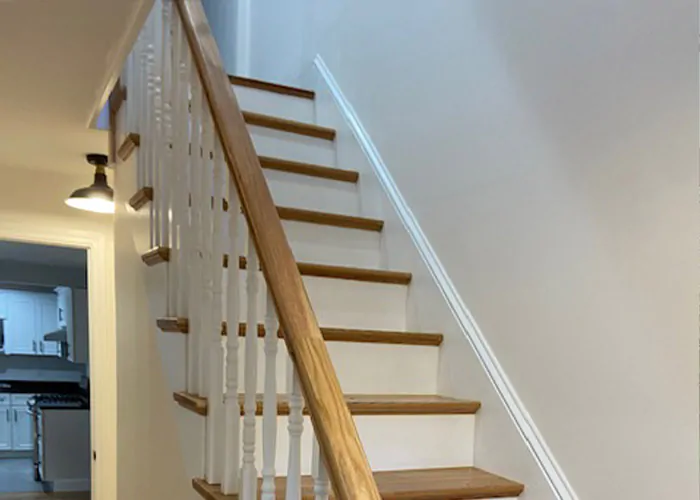
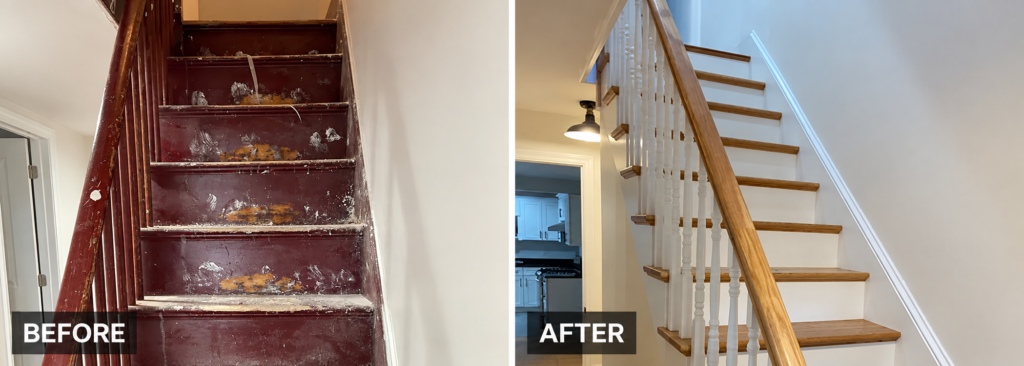
TREADS Oak is one of the most common choices for stair treads because of its strength, durability and natural wood grain. It can be stained in many different colors to coordinate with the flooring and handrail, or left in its natural color and protected with a clear polyurethane finish. RAISERS The riser is the vertical face between the treads and is most commonly painted white, although it can also be finished in wood. See raisers marked on the picture above. It is usually 3/4 board made of pine or depending on the desired finishing.
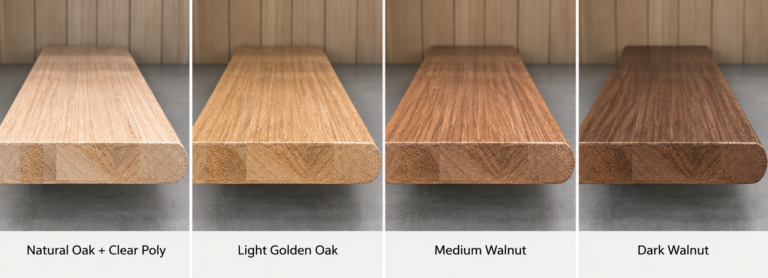
Oak Stair Tread Finishing Options
Oak is one of the most popular choices for stair treads because of its strength, durability and attractive natural grain. Homeowners may keep the oak’s natural appearance with a clear polyurethane finish or select from many stain colors, including light golden tones, medium browns and dark walnut finishes. The tread color can be coordinated with the flooring, handrail and other woodwork throughout the home.
Because every piece of oak has unique grain and absorbs stain differently, the final color may vary slightly. We recommend approving a stain sample before finishing the complete staircase.
Stair Risers: Standard and Decorative Options
Stair risers are the vertical sections between each stair tread—the parts you see when looking directly at a staircase. They help form the staircase and greatly influence its finished appearance.
Risers are commonly painted white or finished in a natural wood such as oak. They may also be stained to complement the treads or covered with carpet as part of a fully carpeted staircase.
For game rooms, basements and other casual spaces, decorative riser covers can add color, patterns and personality. These accents create a fun look without changing the staircase structure. Wood and painted risers remain the most common choices for a classic, lasting finish.
Choosing a Baluster Style
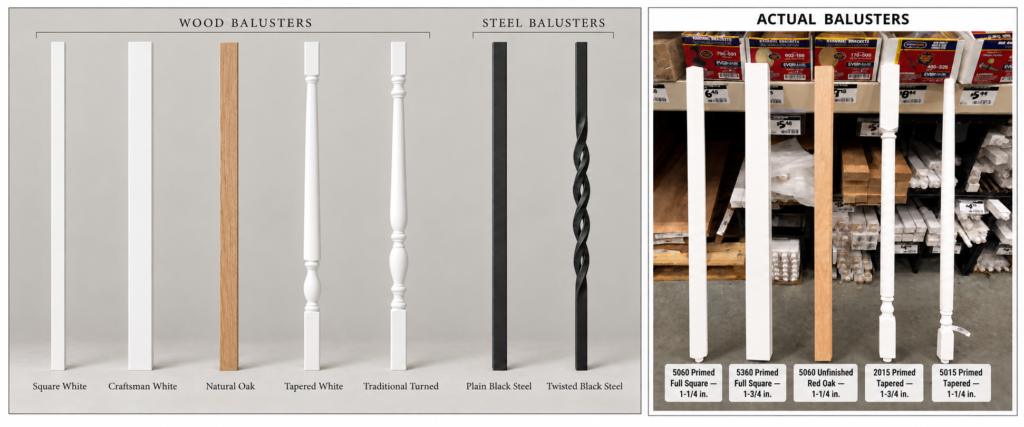
Balusters are the vertical supports installed between the stair tread or base rail and the handrail. They provide safety while helping define the staircase’s overall character.
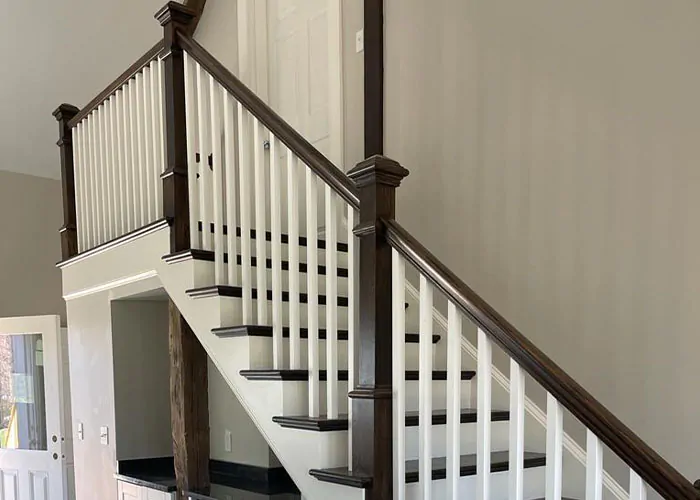
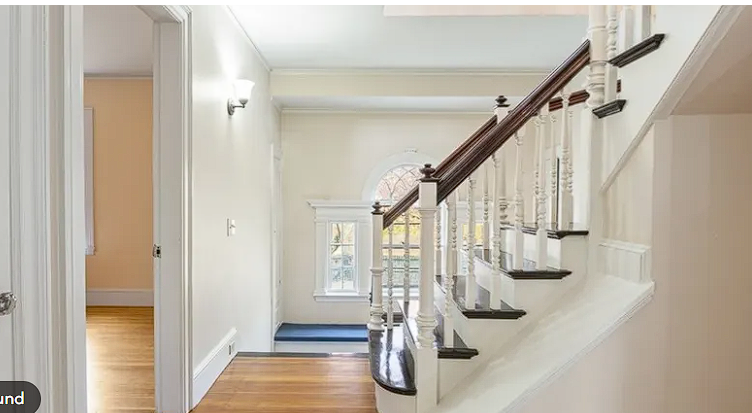
Wood balusters are the most common choice and coordinate naturally with wood treads, handrails and newel posts. Plain square balusters provide a clean, simple appearance, while tapered and turned styles add traditional detailing and a more decorative finish. Wood can be painted—most commonly white—or stained to complement the surrounding staircase.
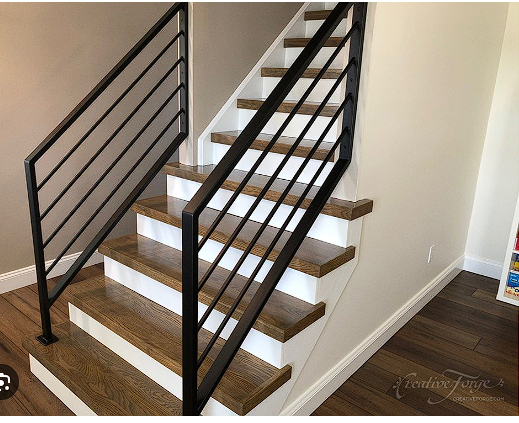
Black steel balusters are less commonly selected but can create an attractive contrast against natural wood. Their narrow profile produces a lighter, more open appearance and works particularly well in modern, transitional or industrial-inspired homes. Plain steel creates a cleaner look, while twisted or decorative steel adds a stronger accent.
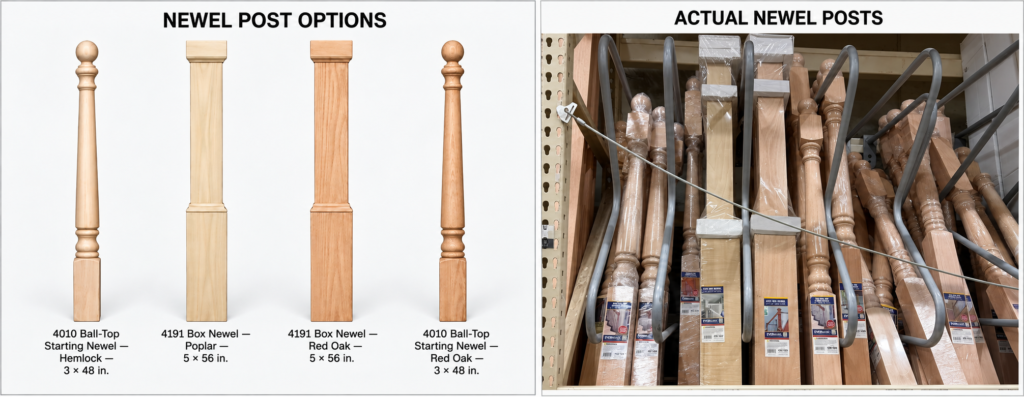
Newel Posts: Strength, Support & Style
Newel posts are the larger posts that anchor and support the handrail at the beginning, end and turning points of a staircase. Available in traditional turned or modern box styles, they can be painted or stained to coordinate with the treads, handrails and balusters.