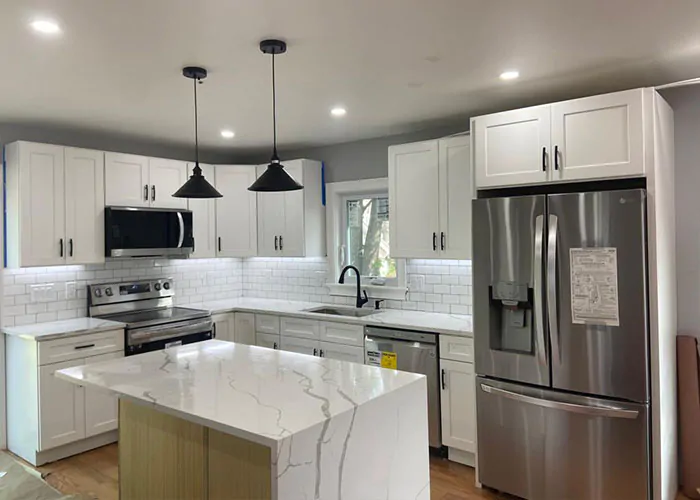
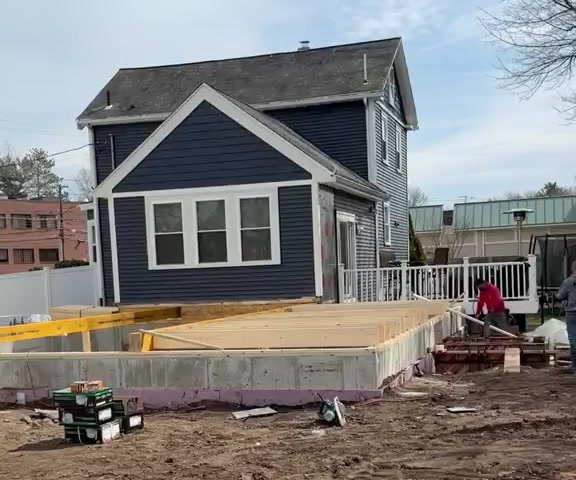
Your home may have the right location, the neighborhood you love, and years of memories. But what happens when you need more space?
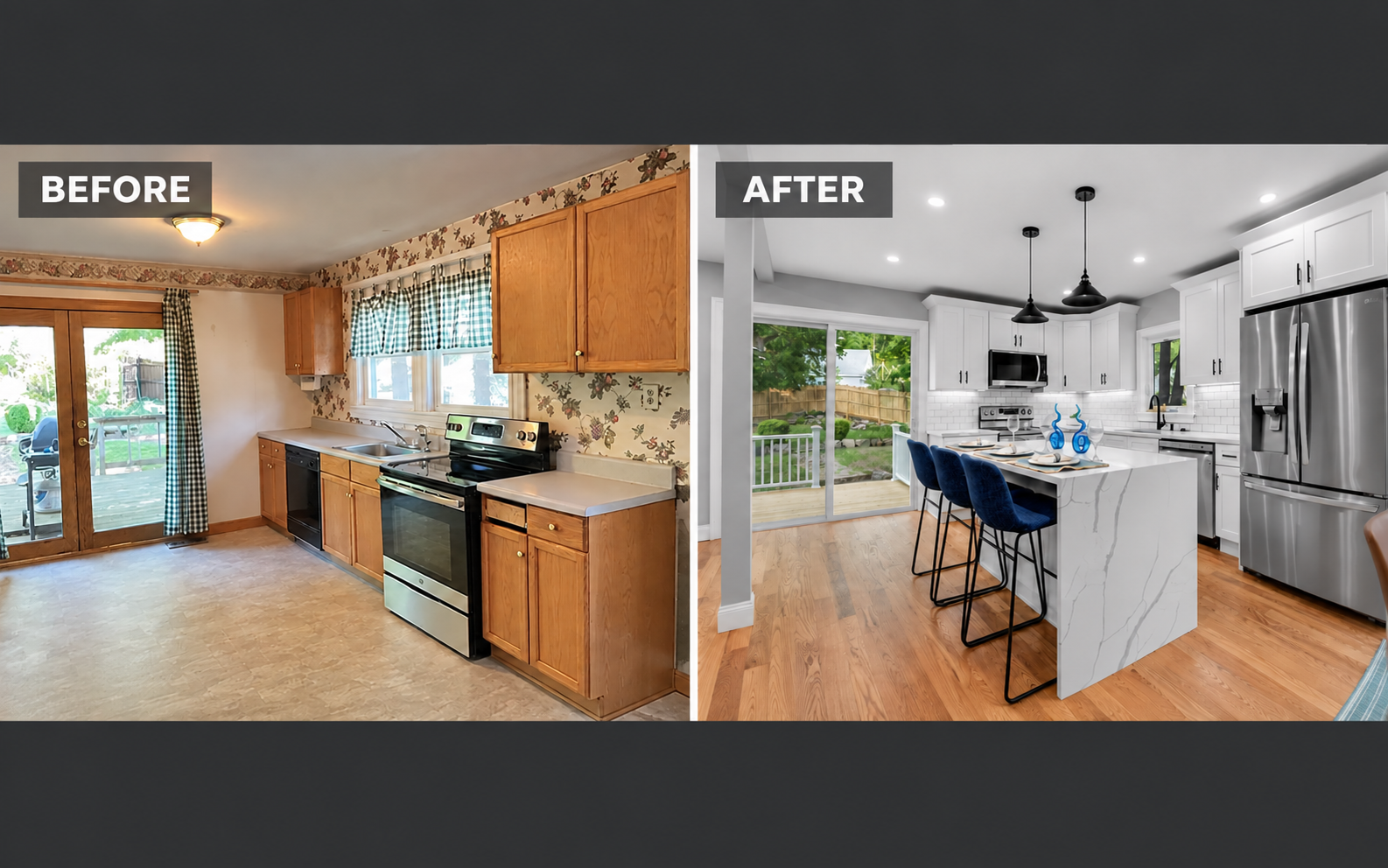
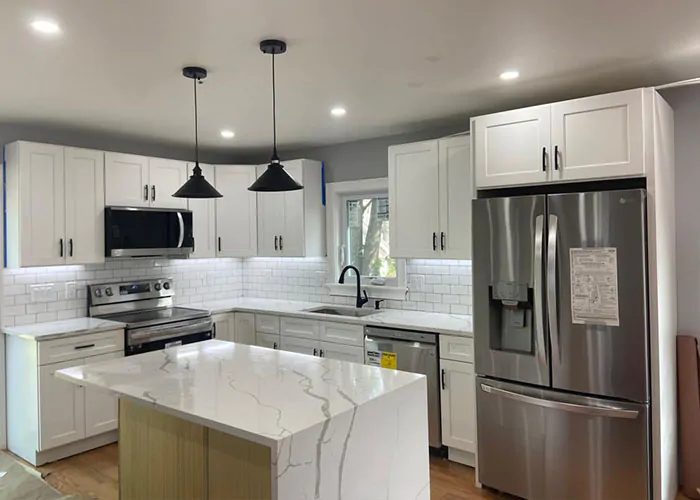
Before deciding to move, consider what an addition could accomplish. A larger kitchen, additional bedrooms, a primary suite, or space for extended family can transform how your home works—and may increase its market value.
Can that added value help cover the investment? In some cases, yes. The key is planning an addition that makes sense for your property, your neighborhood, and your long-term goals.
Building Space That Adds Value
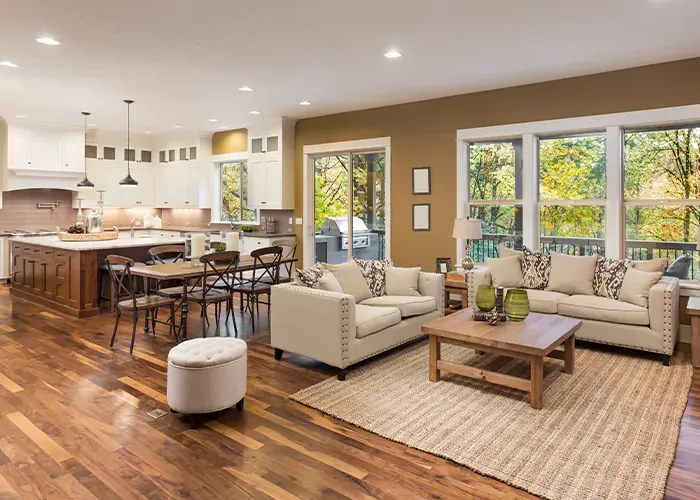
An addition can make your property more attractive to future buyers by addressing features your existing home lacks. Another bedroom, an additional bathroom, or a more functional living area may improve both everyday comfort and resale potential.
However, the value depends on local demand, comparable properties, design, workmanship, and how well the addition fits the original home. The goal is to build useful space that buyers value while avoiding improvements priced beyond what the neighborhood can support.
Construction cost and added market value are different numbers. An addition does not automatically increase your property’s value by the amount you spend.
Can You Refinance After the Addition Is Complete?
Once the addition is finished, your home may qualify for a higher appraisal. That higher value could create room to refinance and repay some or all of the financing used for construction.
The basic calculation is: completed appraised value × lender’s permitted borrowing percentage − existing mortgage and other loan payoffs − closing costs = potential available proceeds.
Here is a hypothetical example:
| Item | Illustrative amount |
|---|---|
| Home’s value before construction | $650,000 |
| Existing mortgage balance | $350,000 |
| Addition construction cost | $300,000 |
| Home’s appraised value after completion | $900,000 |
| New mortgage at an assumed 80% of completed value | $720,000 |
| Remaining after paying the existing mortgage | $370,000 |
In this example, the remaining proceeds could repay the $300,000 construction financing and cover applicable closing costs, depending on the actual loan terms.
Notice that the addition increased the home’s value by $250,000, while construction cost $300,000. The refinance works in this illustration partly because the homeowner already had equity before construction.
Refinancing does not make construction free. It moves the construction debt into a new mortgage that must be repaid, with interest. Approval depends on the appraisal, income, credit, lender requirements, and available loan terms.
Discuss the potential completed value and refinance requirements with your lender before construction begins. Some renovation mortgage programs can also consider an “as completed” appraisal during the initial financing process. See Fannie Mae’s HomeStyle Renovation overview for an example.
The Financial Benefits Can Go Beyond Resale Value
Avoiding the Cost of Moving
Expanding your home may help you avoid selling expenses, moving costs, and the disruption of relocating. It also allows you to keep the location and community you already enjoy. Compare the full cost of building with the full cost of buying another property, including the ongoing mortgage, taxes, insurance, and maintenance.
Creating Space for Extended Family
An addition can provide room for parents, adult children, or other family members. Sharing a property may reduce the household’s combined housing expenses while giving everyone more suitable living space. The design should account for privacy, accessibility, and any requirements for a separate dwelling unit.
Creating Potential Rental Income
An addition designed and legally approved as a rental unit may produce income that helps offset construction financing and ownership costs. That possibility requires careful evaluation of permitted use, realistic rent, vacancy, maintenance, insurance, taxes, and utilities. A spare bedroom or in-law suite should not automatically be treated as an approved rental unit.
Good Planning Makes the Difference
An addition is more likely to deliver lasting value when it solves a clear problem and fits the property. Before construction, consider:
- What space does your family need most?
- What features are buyers seeking in your neighborhood?
- Will the layout connect naturally with the existing home?
- Does the budget make sense compared with similar completed properties?
- Can you comfortably afford the project if the final appraisal is lower than expected?
A local real estate professional or appraiser can help assess market potential. Your lender can explain borrowing requirements. Alvesco Construction helps establish what it will take to build the project.
How Alvesco Construction Helps
At Alvesco Construction, we help Massachusetts homeowners turn ideas into clearly defined construction projects.
We can help develop the scope, coordinate with architects and engineers as needed, prepare preliminary estimates, and refine pricing once plans and material selections are complete.
We also establish construction milestones, provide project documentation requested by your lender, and coordinate the work through inspections and completion. Planning these details early helps you make informed decisions before committing to construction.
A 2,000-Square-Foot Addition in Approximately Six Months
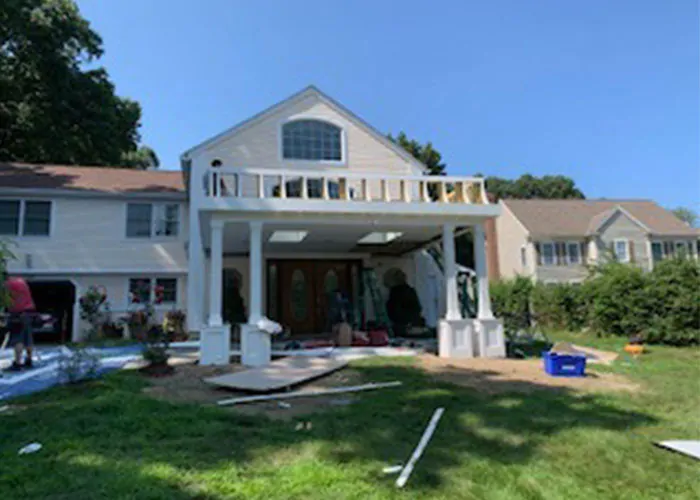
Alvesco Construction can plan for an approximately six-month construction schedule for a 2,000-square-foot addition, depending on its design, scope, and site conditions.
The construction period begins after financing, drawings, engineering, permits, and essential selections are ready. Weather, inspections, material availability, unforeseen conditions, and changes can affect the schedule. Your project’s timeline will be established before work begins.
Discover Your Home’s Potential
A thoughtfully planned addition can give your family more room today and may strengthen your property’s value for the future.
Whether you want additional bedrooms, a larger living area, or space for extended family, Alvesco Construction can help you explore what is practical for your home.
Contact Alvesco Construction to discuss your addition and request a preliminary estimate.
Phone: (978) 595-4949
Email: alvescoconstruction@gmail.com
Examples are illustrative. Added property value, refinancing approval, rental income, and construction timelines are not guaranteed.