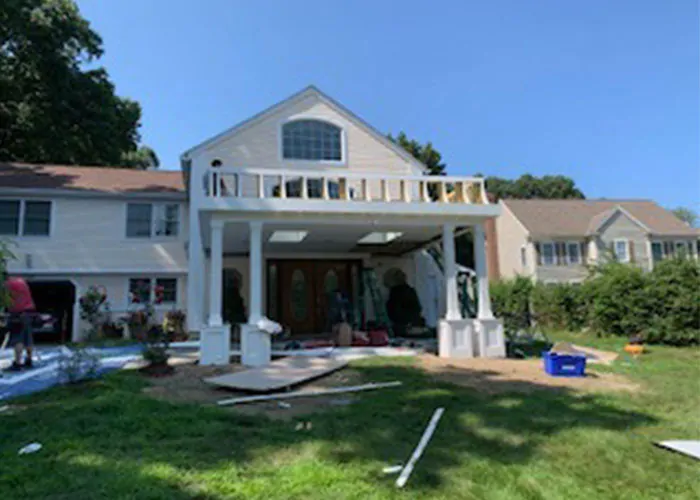
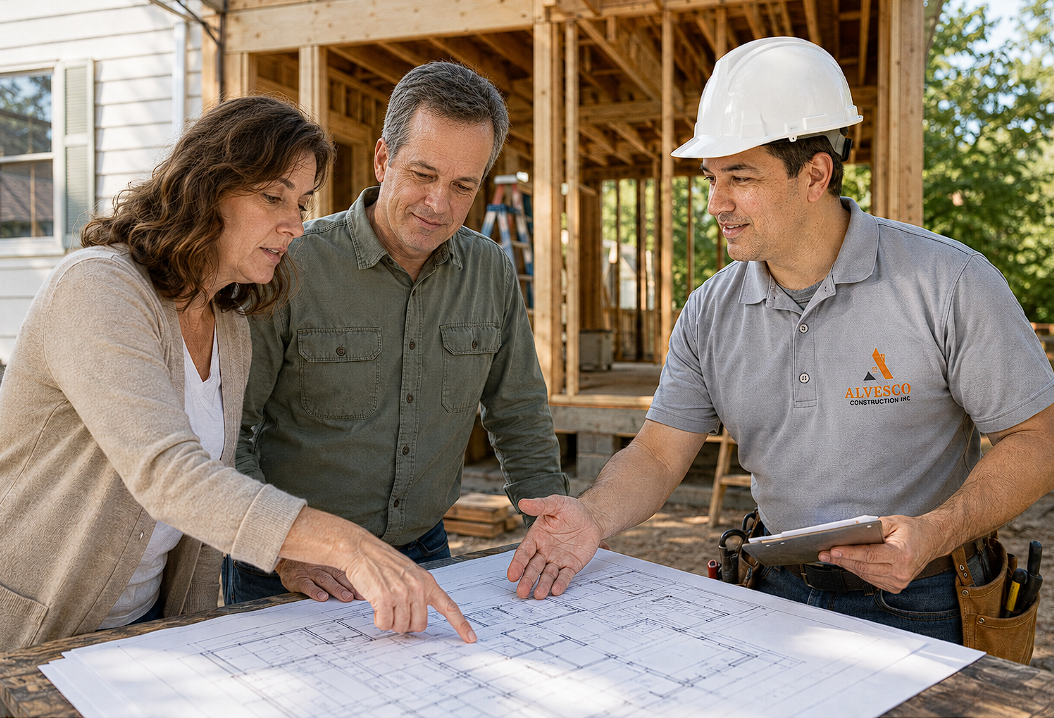
To keep a construction schedule, major changes should be avoided or with realistic expections.
Home additions require careful coordination among the homeowner, architect, building department, general contractor, suppliers, and multiple subcontractors. Even when an addition is carefully planned as a six-month project, unexpected conditions and changes during construction can considerably extend the schedule.
This does not necessarily mean the contractor has stopped working or neglected the project. Sometimes one change can interrupt the entire construction sequence.
The Domino Effect of Construction Changes
Contractors organize additions in a specific order:
- Excavation
- Footings and foundation
- Drainage and backfilling
- Structural framing
- Roofing, windows, and siding
- Plumbing, electrical, and HVAC
- Insulation and inspections
- Drywall and interior finishes
Each crew is scheduled according to the anticipated completion of the previous phase. When one phase changes or falls behind, every phase that follows may also be affected.
For example, changing a foundation from a crawl space to a full basement may initially appear straightforward. However, this change can affect excavation depth, concrete specifications, drainage, structural details, utilities, material quantities, costs, permits, inspections, and the overall construction schedule.
Structural Changes Require Approval
Structural changes cannot usually be authorized through a simple jobsite conversation. The architect or engineer may need to revise the drawings and structural specifications.
The revised plans may then need to be submitted to the local building department for review and approval. Depending on the availability of the design professionals and municipal inspectors, this process can take several weeks. Construction may need to pause until the updated plans are officially approved.
Subcontractors Cannot Always Wait
Excavators, foundation contractors, framers, roofers, plumbers, electricians, and other trades often schedule their projects weeks or months in advance.
If a project is delayed, a crew cannot always remain available while waiting for revised plans or permits. They may need to move on to another project that was already scheduled. Once they begin that job, it may be difficult to know exactly when they can return.
A change that creates a two-week approval delay can therefore result in a much longer scheduling delay. This is the domino effect: one interruption affects several crews, inspections, material deliveries, and future construction phases.
Why a “Simple Change” May Not Be Simple
A significant change during construction may require:
- Revised architectural or engineering drawings
- Updated permit approval
- New material quantities and delivery dates
- Additional excavation or concrete work
- Revised pricing and written change orders
- Rescheduled subcontractors
- New inspection dates
- Adjustments to plumbing, electrical, HVAC, or drainage
When several of these factors occur together, an addition originally expected to take six months can extend to nine months, a year, or even longer.
Making Decisions Before Construction Begins
Whenever possible, important decisions involving the foundation, layout, roof structure, windows, doors, mechanical systems, and structural openings should be finalized before construction begins.
Thorough planning helps reduce delays, but it does not mean homeowners are unable to make changes after work has started. Sometimes a new idea or change can improve the home and make the finished project better suited to the family’s needs.
Changes Are Welcome—With Clear Expectations
Changes are welcome, and most contractors will be willing to accommodate reasonable requests so the customer can be happy with the finished home. After all, the homeowners are the people who will be living in the house for many years to come.
The important thing is for homeowners to understand what those changes may cause in terms of additional cost and construction delays. Changes may require new drawings, permit approvals, material orders, inspections, and adjustments to several subcontractors’ schedules.
As long as the homeowner understands and accepts the possible effects on price and completion time, the contractor will most likely be happy to accommodate the request. Clear communication and realistic expectations allow everyone to work together toward the same goal: completing a home that the customer will enjoy for years to come.
Planning a home addition in Massachusetts? Alvesco Construction can help guide your project from planning and permitting through construction and completion.
Alvesco Construction
Licensed and Insured
www.alvescoconstruction.com
(978) 595-4949