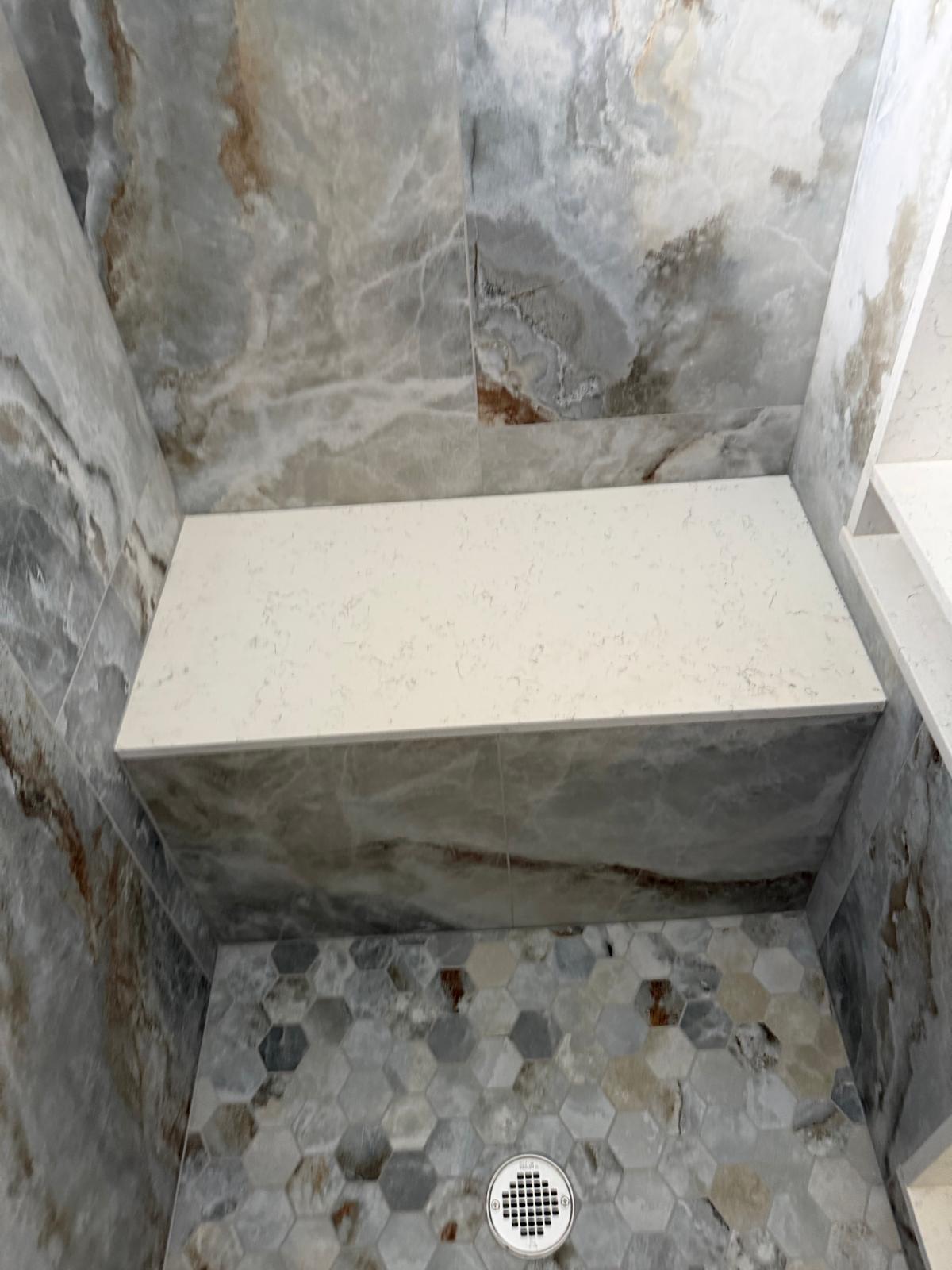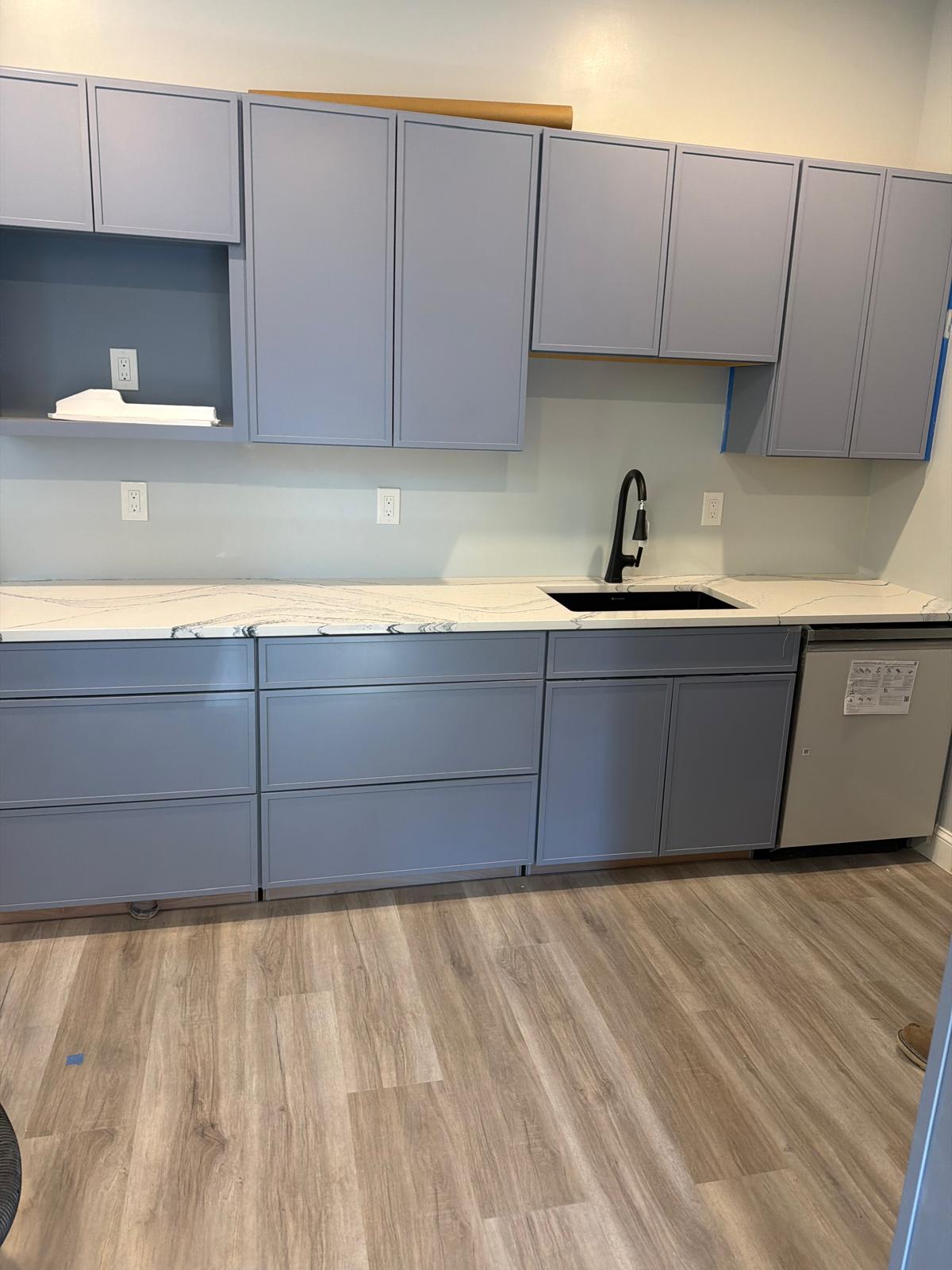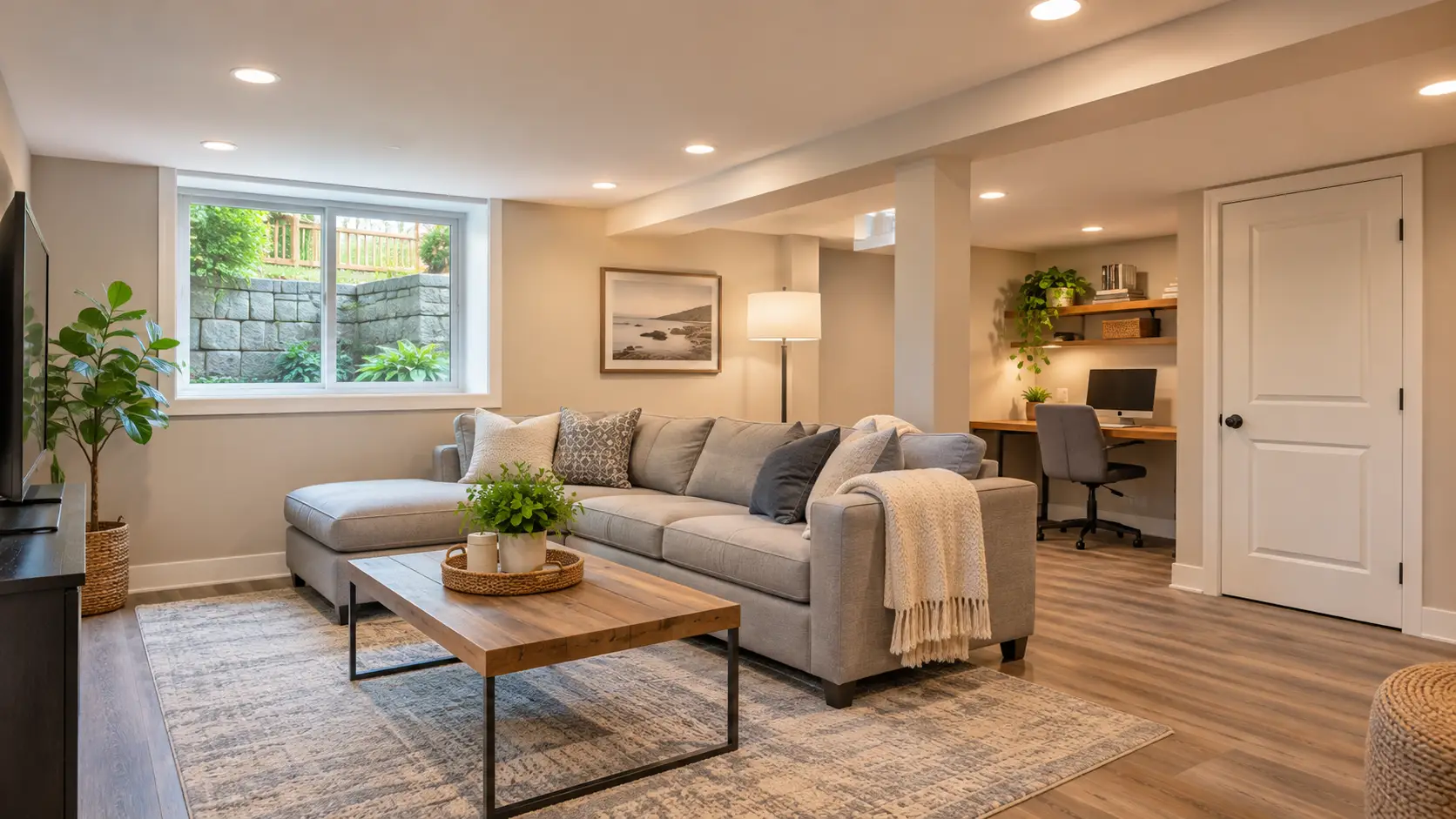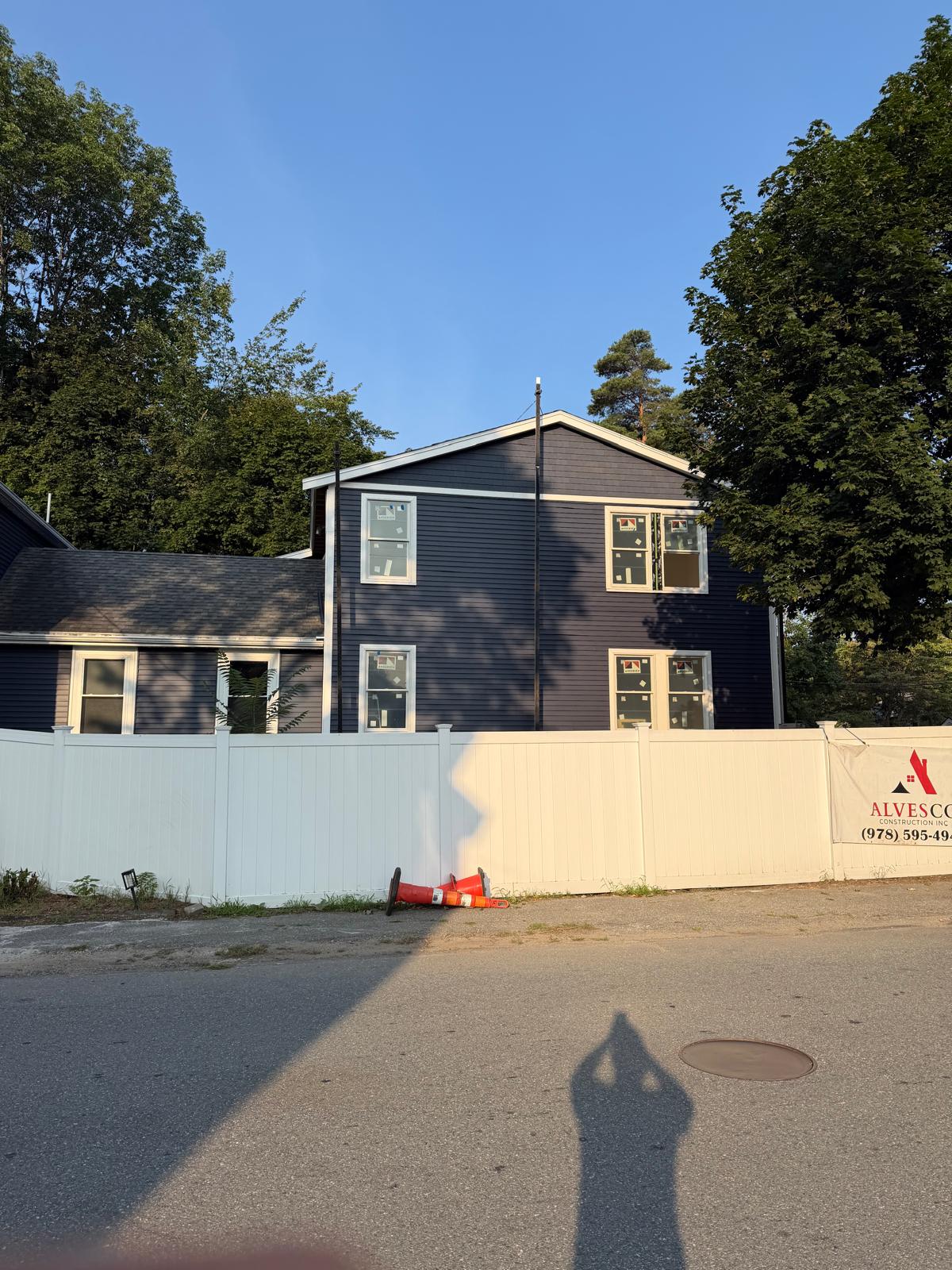
Have you been dreaming about a new kitchen, a more comfortable bathroom, a finished basement, or an ADU for a parent or adult child—but postponing the project because borrowing costs are higher than they were a few years ago?
You are not alone. Major remodeling projects are often funded with savings, a home-equity loan, a home-equity line of credit (HELOC), or another type of financing. When interest rates rise, many homeowners understandably decide to wait.
Waiting may be the right decision for some families. But it is important to make that decision using a real project budget—not only the hope that rates will soon return to historic lows.
Rates Are Elevated, but the Future Is Uncertain
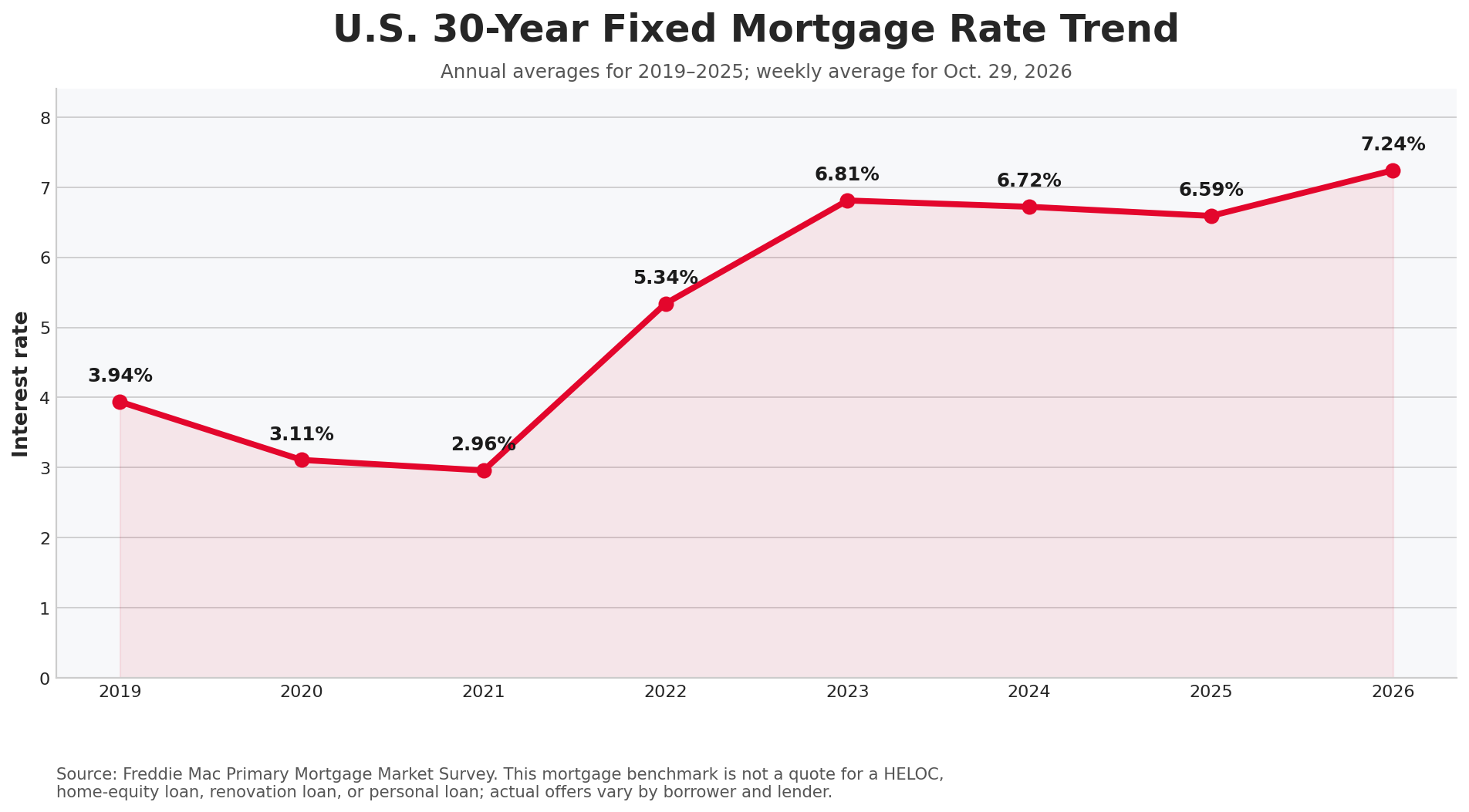
Freddie Mac reported that the average 30-year fixed mortgage rate was 7.24% on October 29, 2026. For comparison, annual averages were approximately 3.11% in 2020 and 2.96% in 2021. Those unusually low years made borrowing much less expensive.
However, history also shows that rates can remain elevated, move unpredictably, or rise further. The annual average reached roughly 16.6% in 1981. That does not mean rates will return to that level; it simply shows why no contractor, lender, or homeowner can know with certainty that waiting will create a better financing opportunity.
Important: The chart below uses the 30-year fixed mortgage rate as a familiar historical benchmark. A HELOC, home-equity loan, renovation mortgage, or personal loan will have its own rate, fees, terms, and qualification requirements.
Why Waiting Is Not Always Free
Postponing a project avoids today’s financing cost, but it can create other costs:
- An active leak, failing roof, unsafe electrical system, moisture problem, or deteriorating exterior may become more expensive to repair.
- Construction labor and material prices may change while you wait.
- A home that no longer fits your family can carry a daily cost in comfort, privacy, accessibility, or lost rental potential.
- A project may be delayed again if contractor schedules, permitting timelines, or material availability tighten later.
None of this means that every homeowner should remodel immediately. It means the decision should compare the full cost of moving forward with the full cost and consequences of waiting.
Seven Practical Ways to Remodel When Borrowing Costs Are Elevated
1. Begin With a Preliminary Remodeling Cost Estimate
Before applying for financing, establish a realistic range for the work. A kitchen refresh and a full kitchen relocation are completely different projects. The same is true for a cosmetic bathroom update versus a new bathroom requiring structural, plumbing, electrical, and ventilation work.
A preliminary construction budget helps you determine whether the project fits your finances, needs redesign, or should be divided into phases.
2. Separate Essential Work From Optional Upgrades
- Must do now: safety, water intrusion, structural damage, failed systems, or urgent accessibility needs.
- Should do during construction: work that would be disruptive or expensive to add later, such as rough plumbing, wiring, insulation, or structural preparation.
- Can wait: premium finishes, decorative upgrades, built-ins, or nonessential features.
This protects the parts of the project that matter most without forcing every wish-list item into the initial contract.
3. Consider a Phased Project—but Plan the Whole Project First
Phasing can reduce the amount borrowed at one time. The key is to design the complete project first. Poorly planned phasing can lead to duplicate permits, repeated demolition, temporary work that must later be removed, and higher mobilization costs.
4. Compare Financing Structures, Not Just Advertised Rates
- Home-equity loan: generally provides a lump sum and may offer a fixed rate and predictable payment.
- HELOC: allows repeated draws against available home equity, but commonly has a variable rate, so payments can change.
- Cash-out refinance: replaces the existing mortgage with a larger one. Use special caution if your current first mortgage has a low rate.
- Personal loan: normally does not use the house as collateral, but limits may be lower and rates may be higher.
- FHA 203(k): may combine eligible refinancing or purchase costs with renovation funds. HUD lists kitchens, bathrooms, additions, finished basements, building-system repairs, and eligible ADUs among possible improvements.
- Savings plus a smaller loan: using cash for part of the project can reduce the amount exposed to interest.
Ask lenders for the APR, closing costs, fees, fixed or variable terms, total repayment amount, prepayment rules, draw requirements, and what happens if rates change. Compare several written offers.
5. Use Massachusetts Energy Programs for Eligible Work
Eligible Massachusetts homeowners may be able to use Mass Save incentives or the 0% HEAT Loan, which currently advertises financing opportunities of up to $25,000 for qualifying energy-efficiency upgrades. Eligibility, approved measures, participating lenders, and program rules apply.
6. Control the Scope Before Cutting Quality
Reducing square footage, simplifying the layout, keeping plumbing near existing locations, choosing readily available materials, or postponing luxury finishes is often safer than cutting waterproofing, structural work, ventilation, insulation, or licensed trade work.
7. Ask Whether the Project Can Create Income or Avoid Another Expense
An eligible ADU may support multigenerational living or future rental income. A first-floor bathroom may allow a family member to remain at home longer. A carefully planned addition may avoid the cost and disruption of moving.
Kitchen, Bathroom, ADU, and Home Addition Costs: Planning Questions
How much does a kitchen remodel cost in Massachusetts?
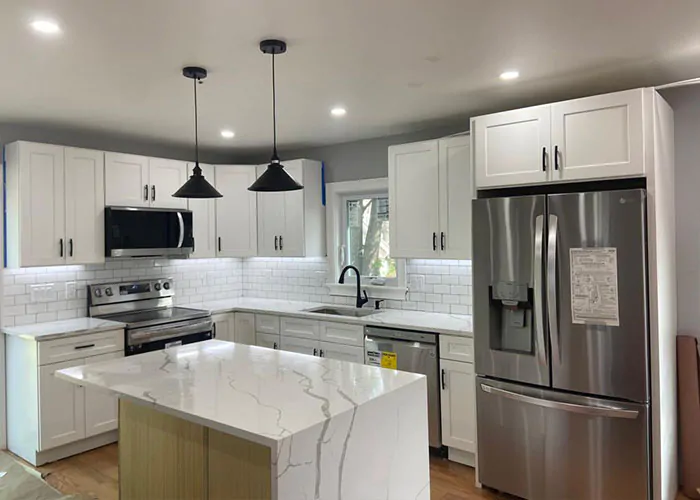
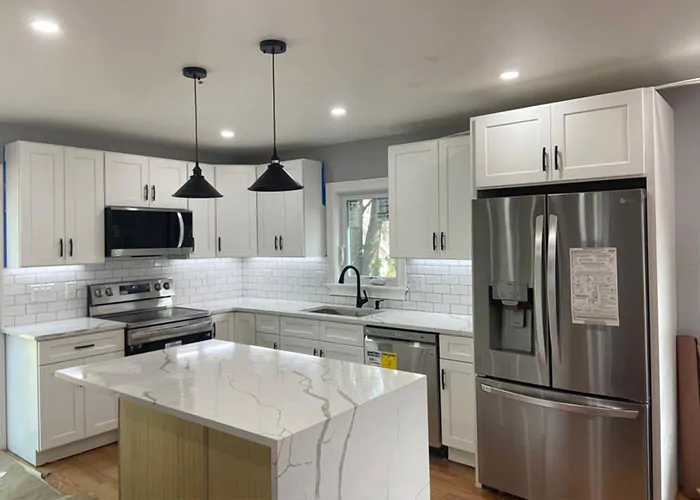
Your kitchen remodel cost depends on the room size, cabinets, countertops, appliances, and whether the layout changes. Keeping major utilities near their existing locations can help control the budget. A cabinet refresh and a complete kitchen renovation require very different budgets.
How much does a bathroom remodel cost in Massachusetts?
A bathroom remodel cost starts with the scope. A small renovation with the same layout differs from a tub-to-shower conversion, a larger walk-in shower, or a new bathroom addition. Waterproofing, ventilation, plumbing, and hidden damage all affect the estimate.
What does it cost to build an ADU or in-law suite in Massachusetts?
An accessory dwelling unit (ADU) can provide independent living space for family or, where allowed, a rental unit. Converting existing space and building a detached ADU involve different site work, utilities, structural needs, and budgets. Confirm the proposed use and applicable requirements before committing to construction or financing.
How much does a home addition cost, and is it better than moving?
Your home addition cost depends on square footage, foundation work, structural connections, roofing, and the rooms being added. Establish a preliminary budget, then compare the anticipated financing cost with the expense of buying and moving to another home.
What should I budget for basement finishing?
A basement finishing cost estimate should account for moisture, ceiling height, access, insulation, electrical work, heating and cooling, and any proposed bathroom. Define the intended use first so the estimate and financing reflect the actual project.
How do I choose a local remodeling contractor?
Ask for a written scope, clear allowances, relevant project experience, and an explanation of permit responsibilities. Compare what each estimate includes before comparing totals.
Alvesco Construction is based in Lancaster, MA, and handles kitchen remodeling, bathroom remodeling, basement finishing, home additions, and ADU construction in nearby communities, including Bolton, Clinton, Hudson, and Acton, and across our service area toward MetroWest.
A Better Question Than “Should I Wait for Rates to Fall?”
Can this project be designed, phased, and financed responsibly at a monthly cost we can comfortably carry today?
If the answer is no, waiting or reducing the scope may be wise. If the answer is yes—and the project solves an urgent need—moving forward may make more sense than delaying indefinitely for a rate that nobody can predict.
Know the Potential Cost Before You Make the Commitment
A major part of planning any remodeling project is understanding its potential cost beforehand. At Alvesco Construction, you can receive a preliminary project estimate without a sales appointment or the pressure of speaking with someone before you are ready.
Simply visit our Remodeling Cost Guide and Preliminary Estimate page, complete the project form, and provide as much information as possible. One of our construction professionals will review your submission and prepare a preliminary estimate for you within 24 hours.
We will not call you repeatedly or flood your inbox with high-pressure sales messages. When you are ready to discuss the project, you make the call. We will be here to answer your questions and work with you to turn your plans into a well-built finished project.
REQUEST MY PRELIMINARY ESTIMATE
Alvesco Construction is not a lender, mortgage broker, financial adviser, or tax adviser. This article is general educational information—not individualized financial advice or a promise that a project will increase property value. Loan availability and terms depend on the lender, borrower, property, and program requirements.
Sources
- Freddie Mac — Primary Mortgage Market Survey (PMMS)
- Rocket Mortgage — Historical Mortgage Rates
- Mass Save — HEAT Loan / 0% Interest Financing
- U.S. Department of Housing and Urban Development — FHA Section 203(k) Rehabilitation Mortgage Insurance Program